
Deposition Preparation for Nursing Expert Witnesses
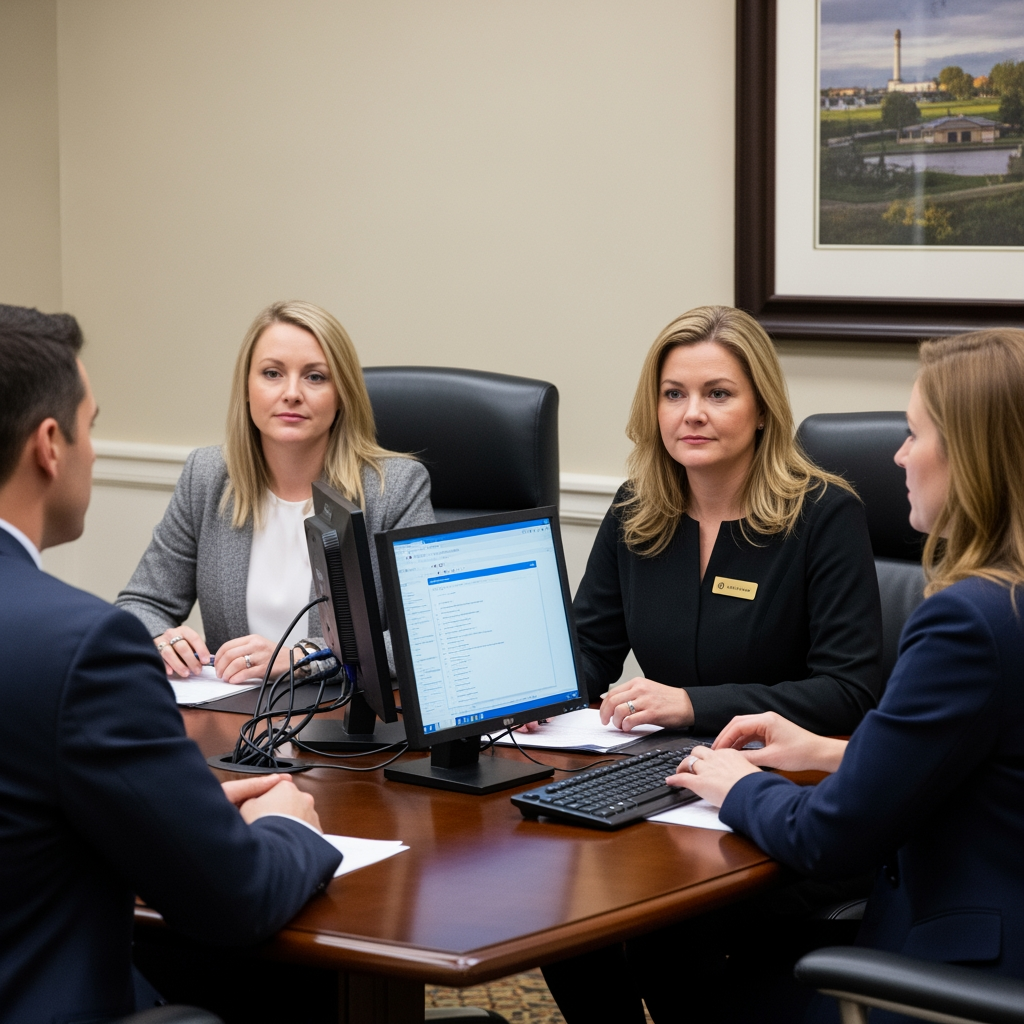 The deposition conference room felt colder than expected.
Maria, a seasoned ICU nurse turned legal nurse consultant, sat at the polished table reviewing her notes for the third time. Across from her, the court reporter adjusted her machine. The defense attorney flipped through a thick binder without looking up. Maria had testified before—but this was her first deposition as a nursing expert witness.
She thought she was ready.
Within the first fifteen minutes, she realized preparation for clinical practice and preparation for a deposition are not the same. The attorney’s questions were precise, layered, and sometimes intentionally confusing. A simple “yes” or “no” felt inadequate, yet elaborating seemed risk, particularly after the attorney recognized her strategy and cut her off.
Maria caught herself second-guessing the attorney. By the end of the day, she left feeling unsettled—not because she lacked knowledge, but because she had not fully prepared for the process of being deposed.
That experience reshaped how she approached every case moving forward.
If you are a nursing expert witness, your clinical expertise is only one part of what you bring to a deposition. Preparation is what allows your expertise to come through clearly, confidently, and credibly.
Here’s how to get ready.
Start With a Deep Review of the Case
Before you step into a deposition, you must know the case thoroughly—far beyond a surface review.
Return to the medical records, your reports, and any materials you relied on in forming your opinions. Pay attention to:
- Key timelines and facts
- Critical decision points
- Documentation gaps
- Inconsistencies in the medical record
You should be able to explain not only what happened, but why it matters from a nursing perspective.
One of the most common pitfalls is relying too heavily on your written report. Opposing counsel may focus on areas you did not emphasize—or interpret your words differently than you intended.
When you prepare for deposition, look at your report through fresh eyes and ask:
“What questions would I ask if I were trying to challenge these opinions?”
Know Your Opinions—and Their Foundations
Every opinion you offer must be grounded in a clear, defensible foundation.
Ask yourself:
- What facts support this opinion?
- What standards of care apply?
- How did the actions (or inaction) of the providers comply with the standards?
- How would the opposing expert attack these opinions?
You should be able to connect the dots without hesitation.
Be prepared to explain specifically what should have been done and how the care deviated from accepted standards.
If you are a witness for the plaintiff, expect the attorney to use the line of argument, “This is just how you would do it. You’re not saying the nurse should have done it the same way, are you?”
Review Your Prior Testimony and Publications
If you have testified before or written articles, assume opposing counsel has reviewed them.
Consistency matters.
You don’t need to memorize everything you’ve ever said, but you should be aware of positions that could be interpreted as conflicting. Even a small variation in wording can become the focus of several minutes of questioning.
Take time to:
- Review your prior deposition transcripts, if available
- Skim your published articles or presentations
- Look for anything you’ve said or written that contradicts your opinion in this case
This step helps you avoid being caught off guard.
Meet With the Retaining Attorney Before the Deposition
A pre-deposition conference with the attorney who retained you is not optional—it is a key part of your preparation.
During this meeting, you should:
- Ask about the style of the attorney who Is taking your deposition
- Find out who else will be in the room
- Determine if there are new materials in the case that you have not seen
- Clarify the legal theories of the case
- Identify strengths and vulnerabilities
- Review likely areas of questioning
This is your opportunity to ask questions of your client.
If there are aspects of the case that feel unclear or uncomfortable, address them before the deposition. Going in with unanswered questions increases the risk of hesitation under pressure.
Practice Answering Questions
Depositions are not conversations. They are structured, strategic exchanges. Practicing your responses can make a significant difference.
Focus on:
- Listening carefully to each question
- Answering only what is asked
- Keeping responses concise and clear
Particularly if you are new to depositions, it can be helpful to conduct a mock deposition with the retaining attorney or a colleague. This allows you to experience the rhythm of questioning and identify your habits, such as overexplaining or volunteering information.
Silence can feel uncomfortable, but it is not your job to fill it.
Understand the Rules of the Deposition
Knowing what to expect reduces anxiety and helps you stay focused.
A deposition typically includes:
- Oath-taking by a court reporter
- Verbatim recording of all testimony
- Opportunities for attorneys to object
It does not include
- Opportunities for your client to coach you during a break
- Chances for you to come up with new opinions, unless you’ve received new materials
You may hear objections during questioning. In most cases, you will still answer the question unless instructed otherwise by your attorney.
Take your time. You are allowed to pause, think, and respond deliberately. You should also ask for breaks when you need them, and insist on getting a meal if you are testifying through lunch time. You will not be at your best if your blood sugar drops and you find yourself saying just anything so that you can get the deposition over. Bring a snack just in case you cannot get a meal break.
Maintain Professional Composure
Your demeanor is as important as your words.
Remain calm, even if questions feel repetitive or challenging. Avoid becoming defensive. Unless the deposition is being videorecorded, the tone of the opposing counsel will not come through on a deposition transcript. For that reason, attorneys taking depositions may feel freer to be aggressive. And they know they have to behave more respectfully in front of a jury.
Opposing counsel may test your patience or attempt to provoke a reaction.
Stay grounded by:
- Keeping your tone neutral
- Avoiding arguments
- Sticking to your area of expertise
If you do not know the answer to a question, say so. Speculation can undermine your credibility.
Prepare Logistically
Practical details can affect your performance more than you might expect.
Before the deposition:
- Confirm the time, location, or virtual platform
- Organize your materials for easy reference
- Dress professionally and comfortably
- Allow extra time to arrive or log in
Eliminating last-minute stress allows you to focus fully on your testimony.
Reflect on Maria’s Experience
After her difficult first deposition, Maria changed her approach. She began scheduling structured preparation sessions, practicing responses, and studying how attorneys asked questions. Her next deposition felt entirely different.
She was still asked challenging questions.
But this time, she answered them with clarity and control.
Final Thoughts
Being a nursing expert witness requires more than clinical knowledge. It requires the ability to communicate that knowledge effectively under scrutiny.
Preparation is what bridges that gap.
When you understand the case, know your opinions, anticipate questions, and practice your delivery, you walk into the deposition with a sense of readiness that others can see—and hear.
And that is what strengthens your impact as an expert.
Join us for the 13th LNC Success ® Online Conference. In our session on April 23, 2026, Mastering the Deposition: Strategies & Demonstration, you’ll gain the confidence to handle even the toughest deposition questions with clarity and composure. Register here.
 Pat Iyer MSN RN LNCC is president of The Pat Iyer Group. She develops resources to assist LNCs in obtaining more clients, making more money, and achieving their business goals and dreams.
Have you heard the most recent podcasts on Legal Nurse Podcast? The show is in its 10th year, putting it in the top 1% of all podcasts for its longevity. Watch our podcast on YouTube at http://LNC.tips/YouTube.
Join our Facebook group, LNC Business Growth Circle, to be part of our LNC community.
Pat’s related websites include the podcasts broadcast at podcast.legalnursebusiness.com, and writing tips supplied at patiyer.com.
Get all of Pat’s content in one place by downloading the mobile app, Expert Edu at www.legalnursebusiness.com/expertedu. Watch videos, listen to podcasts, read blogs, watch online courses and training, and more.