
Expert Witness Requirements State by State

Expert Witness Mastery for Nursing Professionals
An LNC recently asked me whether she’d remain qualified to serve as an expert witness after she stopped working clinically. The answer, as in much of the law, is “It depends.”
In some states, an expert witness must meet specific requirements to offer opinions in medical malpractice cases.
There are good 50-state compilations, but turning them into a fully detailed, accurate, “ready to rely on” chart inside one chat would be risky without you double-checking the statutes and any recent amendments.
This post points you to the two best existing state-by-state resources. And I give you a concise, alphabetical 50-state overview (with citations) that you can verify when you are asked to review a case.
Ultimately, you should be able to expect that an attorney knows the expert witness qualifications in their state. But if the attorney is inexperienced, they may not be familiar with the rules.
Resources for locating expert witness requirements
These are the workhorses you’ll want open in another window when you build your own chart. Note I listed them in terms of the most recent to the oldest compilation.
-
FSMB – “Expert Witness Qualifications for Medical Malpractice Cases: State-by-State Overview” (updated July 2024)
-
Shows, for each state: whether an expert must be licensed, and the primary statute/rule citation for medical malpractice expert qualifications. Federation of State Medical Boards
-
-
NCSL – “Medical Liability/Malpractice Merit Affidavits and Expert Witnesses” (updated 2021)
-
One long page with a table: for each state, (a) certificate/affidavit of merit requirement and (b) expert-witness qualification statute text or summary. NCSL
-
-
SEAK – “State Specific Rules Governing Testifying as an Expert Witness in Medical Malpractice Cases” (2019)
-
PDF chart with a plain-English summary of qualification requirements in each state (e.g., same specialty, 3 of last 5 years in practice, no contingency fee, etc.). It’s older, but still very helpful as a starting framework, and they explicitly warn that statutes change. Expert Witnesses Training – SEAK, Inc.
-
2. How these statutes usually limit medical experts’ testimony
Across the states that do have specific medical-malpractice expert rules, the common elements are: NCSL+1
-
Licensure: Some require a license in any U.S. state; others require a license in that state or a contiguous state.
-
Same or similar specialty: Many require the expert to practice in the same specialty as the defendant if the defendant is a specialist (often mirroring board certification).
-
Recent clinical work/teaching: Common thresholds are “majority of professional time in 1 of the last 3 years” or “3 of the last 5 years” in clinical practice or teaching in that specialty.
-
Certificates / affidavits of merit: In ~28 states, the complaint or presuit notice must be backed by an affidavit from a qualified expert; that expert must meet the state’s specialty/experience rules. NCSL+1
-
Limits on “professional witnesses”: Some states restrict experts who earn most of their income from testimony or forbid contingency-fee arrangements for experts.
-
Emergency-care carve-outs: A few states (e.g., CA, FL) have extra requirements for ER cases (recent ER experience, etc.). NCSL+1
3. Alphabetical 50-state snapshot
This is intentionally compact. Think of it as a roadmap: it tells you where the requirements live and roughly what they do, so you can go to the statute/NCSL/SEAK chart for exact language.
Big disclaimer: This is general information, not legal advice. Statutes and rules change, and some of the descriptive phrases below are abbreviated summaries. Always confirm with the current statute, evidence rules, and recent caselaw before relying on this for litigation.
Alabama
-
Statute: Ala. Code § 6-5-548. NCSL
-
Key concept: Expert must be a “similarly situated health care provider”; if defendant is a board-certified specialist, expert must hold the same board certification and be in comparable practice/teaching.
Alaska
-
Statute: Alaska Stat. § 09.20.185. Expert Witnesses Training – SEAK, Inc.
-
Key concept: License in any state or another country; trained/experienced in the same discipline or a directly related area; board-certified in a related field when a recognized board exists.
Arizona
-
Statute: Ariz. Rev. Stat. § 12-2604. Expert Witnesses Training – SEAK, Inc.
-
Key concept: Licensed health professional; majority of professional time in the year before the incident in the same health profession (and same specialty if the defendant is a specialist) in practice or teaching; no contingency fee.
Arkansas
-
Statute/rule: Prior statute struck; expert qualification governed by Rule 702 after Ark. Code § 16-114-206 was held unconstitutional. Expert Witnesses Training – SEAK, Inc.+1
-
Key concept: No special med-mal statute; general expert standard (knowledge, skill, experience, training, education).
California
-
Statutes/rules: Cal. Evid. Code § 720; Cal. Health & Safety Code § 1799.110 (ER). NCSL+1
-
Key concept: An expert must have sufficient professional knowledge and be familiar with the applicable standard of care; a special requirement of substantial ER experience in the last 5 years for ER negligence claims.
Colorado
-
Statutes: Colo. Rev. Stat. §§ 13-64-401, 13-20-602. NCSL+1
-
Key concept: Licensed physician; substantially familiar with standards for the disease/injury at issue; certificate of review required in professional negligence cases where expert testimony is needed.
Connecticut
-
Statutes: Conn. Gen. Stat. §§ 52-190a, 52-184c. NCSL+1
-
Key concept: Presuit written opinion from a “similar health care provider”; statute defines “similar” (same discipline/specialty, board-certified if defendant is; active practice/teaching within last 5 years).
Delaware
-
Statutes: Del. Code tit. 18, §§ 6853, 6854. NCSL+1
-
Key concept: Affidavit of merit signed by an expert; expert must be licensed, have 3 years of recent clinical/academic work in the same or similar field, and be board-certified if defendant is.
District of Columbia
-
Law: Follows Fed. R. Evid. 702 (Motorola v. Murray). NCSL+1
-
Key concept: No specific med-mal statute; general expert-evidence standard (reliable scientific/technical knowledge helpful to trier of fact).
Florida
-
Statute: Fla. Stat. § 766.102 and related provisions. NCSL+1
-
Key concept: Expert must be an actively licensed health-care provider; for specialists, same specialty and 3 years of recent clinical practice/consulting/teaching in that specialty; 5-year window for general practitioners; similar rules for non-physician providers; no contingency fees and additional ER requirements.
Georgia
-
Statutes: Ga. Code §§ 9-11-9.1, 24-7-702. NCSL+1
-
Key concept: Complaint must include the expert affidavit; expert must be licensed, with 3 of the last 5 years in active practice or teaching in the same specialty (or supervising certain support staff), and generally in the same profession as the defendant.
Guam
-
Statute: Guam Code tit. 10, § 10119. NCSL+1
-
Key concept: No detailed qualification statute; rules address disclosure of expert’s identity, subject matter, opinions, and grounds in arbitration.
Hawaii
-
Statutes: Haw. Rev. Stat. § 671-12.5 (panel); evidentiary rule 626-1 Rule 702. NCSL+1
-
Key concept: For the pre-litigation panel, a certificate that counsel consulted a physician knowledgeable in the same specialty; in court, a general expert-evidence standard.
Idaho
-
Statutes: Idaho Code §§ 6-1012, 6-1013. Expert Witnesses Training – SEAK, Inc.+1
-
Key concept: Expert must be a similarly trained provider from the same class in the same “community,” or familiar with that community’s standards.
Illinois
-
Statute: 735 ILCS 5/8-2501. Federation of State Medical Boards+1
-
Key concept: Qualification looks at the relationship between the expert’s specialty and the care at issue and whether the expert devotes substantial time to practice, teaching, or research in that area.
Indiana
-
Law: Indiana Rule of Evidence 702; med-mal panel statutes also apply, but no detailed specialty-matching statute like FL/GA. Federation of State Medical Boards+1
Iowa
-
Statutes: Iowa Code §§ 147.139, 147.140. NCSL
-
Key concept: Certificate of merit affidavit required; expert must be licensed in the same profession, meet training/experience criteria, and practice in the same or substantially similar specialty.
Kansas
-
Statute: Kan. Stat. § 60-3412. NCSL
-
Key concept: An expert must devote at least 50% of their professional time in the two years before the incident to actual clinical practice in the same profession as the defendant.
Kentucky
-
Statute: Ky. Rev. Stat. § 411.167. NCSL
-
Key concept: Certificate of merit: counsel must have consulted with an expert qualified under KY rules who is knowledgeable about the standard of care; the expert-qualification details are governed by evidence rules and caselaw.
Louisiana
-
Statute: La. Rev. Stat. § 9:2794. Federation of State Medical Boards+1
-
Key concept: An expert must be familiar with the degree of care ordinarily practiced by physicians in similar communities; specialty and board certification matter when the defendant is a specialist.
Maine
-
Law: Maine Rule of Evidence 702; no separate med-mal expert statute. Federation of State Medical Boards
Maryland
-
Statutes: Md. Cts. & Jud. Proc. § 3-2A-04(b), § 3-2A-02(c). Federation of State Medical Boards+1
-
Key concept: A Certificate of a qualified expert is required; the expert must have clinical experience or teach in the defendant’s specialty within 5 years and devote most professional time to relevant practice/teaching.
Massachusetts
-
Law: Mass. Gen. Laws ch. 231 § 60B (tribunal); Mass. R. Evid. 702. Federation of State Medical Boards+1
-
Key concept: A screening tribunal uses expert testimony; no detailed specialty-matching statute, but experts must be suitably qualified under general standards.
Michigan
-
Statute: Mich. Comp. Laws § 600.2169. Federation of State Medical Boards+1
-
Key concept: Very specific: expert must specialize (and often be board-certified) in the same specialty, with the same board certification as the defendant, and have spent the majority of their professional time in clinical practice or teaching that specialty in the year preceding the alleged malpractice.
Minnesota
-
Law: Minn. R. Evid. 702 plus affidavit-of-expert-review requirements in statute/rules. Federation of State Medical Boards+1
Mississippi
-
Statutes/rules: Miss. Code § 11-1-61; Miss. R. Evid. 702; related admin code. Federation of State Medical Boards+1
-
Key concept: An expert must have appropriate education, training, and recent experience; opinions must be based on reliable methods and assist the trier of fact.
Missouri
-
Statute: Mo. Rev. Stat. § 490.065 (Daubert-style). Federation of State Medical Boards+1
-
Key concept: No extra med-mal expert statute; general expert-evidence standard.
Montana
-
Statutes: Mont. Code §§ 26-2-601, 37-3-102. Federation of State Medical Boards+1
-
Key concept: Qualifications tied to being a competent medical practitioner with knowledge of the standard of care; licensing and discipline provisions interact here.
Nebraska
-
Law: Neb. Rev. Stat. § 27-702 (general); med-mal panel statutes govern procedures but not detailed expert specialty rules. Federation of State Medical Boards+1
Nevada
-
Statutes: Nev. Rev. Stat. §§ 41A.071, 41A.100, 50.275. NCSL
-
Key concept: Affidavit of merit must be from a medical expert; expert must practice or have practiced in an area substantially similar to that of the defendant and be licensed.
New Hampshire
-
Law: N.H. Rev. Stat. § 507-C and Rule 702; no detailed specialty statute. Federation of State Medical Boards+1
New Jersey
-
Statutes: N.J. Stat. §§ 2A:53A-26 to 2A:53A-41. Federation of State Medical Boards+1
-
Key concept: Affidavit of merit required; “same specialty” board-certification rules for testifying experts in med-mal cases.
New Mexico
-
Law: N.M. R. Evid. 11-702 plus med-mal act § 41-5-23 (prelitigation panel). Federation of State Medical Boards+1
New York
-
Law: No specific expert-qualification statute; governed by NY evidence law and CPLR (plus case law on medical experts). FSMB notes “No specific statutory requirements.” Federation of State Medical Boards+1
North Carolina
-
Statute: N.C. R. Evid. 702 (as modified for med-mal). Federation of State Medical Boards+1
-
Key concept: Same or similar specialty and recent active practice/teaching requirements for med-mal experts.
North Dakota
-
Law: N.D. R. Evid. 702; no specific med-mal specialty statute, but there is an affidavit-of-expert-review requirement in practice. Federation of State Medical Boards+1
Ohio
-
Statutes/rules: Ohio Rev. Code §§ 2743.43, 2323.421; Evid. R. 601, 702; Civ. R. 10(D)(2) (affidavit of merit). NCSL
-
Key concept: Expert must be licensed, devote at least three-quarters of professional time to active practice or teaching, and practice in the same or substantially similar specialty; affidavit of merit required.
Oklahoma
-
Statutes: 63 O.S. § 1-1708.1I; 12 O.S. § 2702. Federation of State Medical Boards+1
-
Key concept: Evidence rule 2702 governs expert testimony, with med-mal context handled through caselaw and related statutes.
Oregon
-
Law: Or. Evid. Code § 40.410 (Rule 702 equivalent); no specific med-mal expert statute. Federation of State Medical Boards+1
Pennsylvania
-
Statutes/rules: 40 P.S. § 1303.512 (MCARE Act); Pa. R. Civ. P. 1042.3 (certificate of merit). NCSL
-
Key concept: Expert must practice in the same or a similar specialty (with board-cert match in many cases), be in active practice or teaching within 5 years; certificate of merit required from an “appropriate licensed professional.”
Puerto Rico
-
Note: FSMB notes no specific statutory med-mal expert requirements; general evidence rules and medical malpractice statutes apply. Federation of State Medical Boards
Rhode Island
-
Statute: R.I. Gen. Laws § 9-19-41. Federation of State Medical Boards+1
-
Key concept: An expert must be licensed and experienced in the same field; the statute addresses the admissibility of medical testimony.
South Carolina
-
Statutes: S.C. Code § 15-36-100; § 40-47-20. Federation of State Medical Boards+1
-
Key concept: Affidavit of expert required, and experts must meet specified professional standards (including specialty/practice expectations).
South Dakota
-
Law: S.D. Codified Laws § 19-19-702 (Rule 702); no additional med-mal expert statute. Federation of State Medical Boards+1
Tennessee
-
Statute: Tenn. Code § 29-26-115. Federation of State Medical Boards+1
-
Key concept: Expert must be licensed in Tennessee or a contiguous state and have practiced in the relevant specialty in one of those states during the year preceding the alleged injury; also must be familiar with the standard of care in that community.
Texas
-
Statutes: Tex. Civ. Prac. & Rem. Code §§ 74.401–74.403. Federation of State Medical Boards+1
-
Key concept: “Qualified experts” must be practicing in the same or similar field, with relevant training and experience; separate standards for physicians vs other health-care providers; expert reports required early in the case.
Utah
-
Statutes/rules: Utah Code § 78B-3-423; Utah R. Evid. 702. Federation of State Medical Boards+1
-
Key concept: Prelitigation panel and affidavits; experts must have specialized knowledge, training, or experience in the area at issue.
Vermont
-
Law: Vt. R. Evid. 702; no dedicated med-mal expert statute; there is, however, a screening certificate of merit requirement in med-mal cases. NCSL
Virgin Islands
-
Note: FSMB notes there are no specific statutory expert-qualification requirements for med-mal; general evidence rules apply. Federation of State Medical Boards
Virginia
-
Statute: Va. Code § 8.01-581.20. Federation of State Medical Boards+1
-
Key concept: Expert must demonstrate knowledge of the standard of care in the defendant’s specialty and either be licensed in Virginia or another state and in active clinical practice/teaching within one year of the incident.
Washington
-
Law: Wash. R. Evid. 702; med-mal statutes govern procedures but not detailed specialty matching. Federation of State Medical Boards+1
West Virginia
-
Statutes: W. Va. Code §§ 55-7B-6, 55-7B-7. NCSL
-
Key concept: Screening certificate of merit from a qualified expert is required; expert must hold a current license (not revoked/suspended in the past year), have experience diagnosing/treating similar conditions, and base opinions on reliable science.
Wisconsin
-
Statute: Wis. Stat. § 907.02 (Daubert-style). Federation of State Medical Boards+1
-
Key concept: No special med-mal expert statute; general expert-evidence standard.
Wyoming
-
Law: Wyo. R. Evid. 702; no additional med-mal expert-qualification statute. Federation of State Medical Boards+1
 Expert witness requirements may change in each state. Always verify the rules, because this affects your qualifications as an expert witness, or who you may provide to the attorney as a service.
Beyond the qualifications related to education, training, current clinical experience, and board certification, there are other essential qualities that make an expert witness qualified.
Get the details by requesting this special report, and you’ll avoid the problems associated with being or supplying an unqualified expert – a sure way to lose a client.
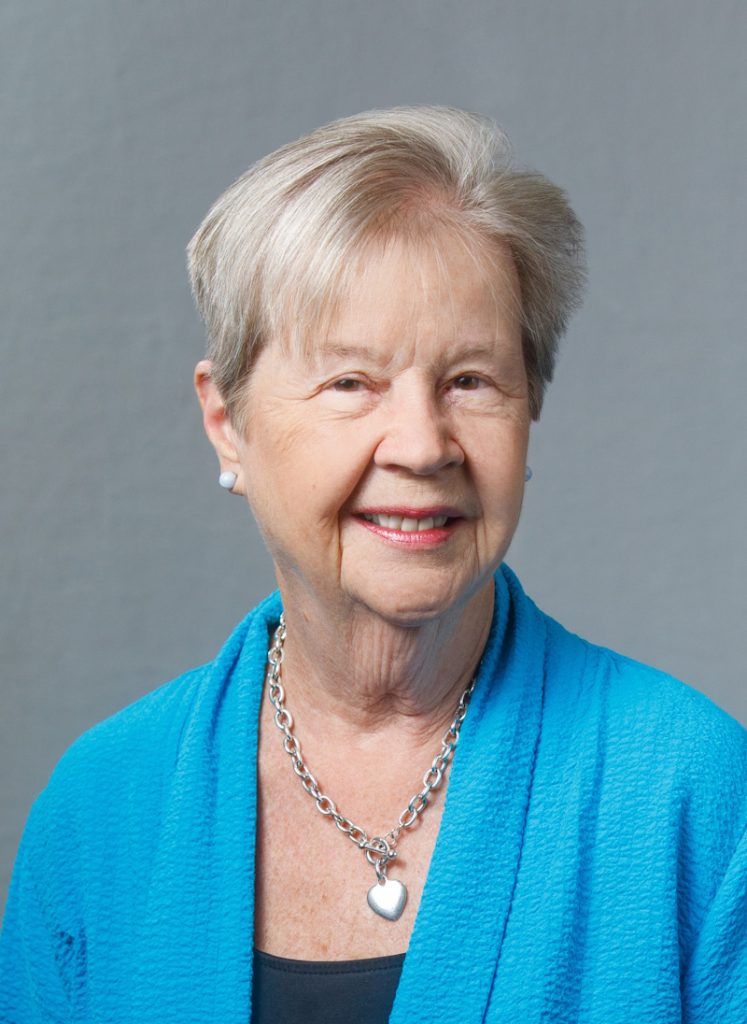 Pat Iyer is president of The Pat Iyer Group, which develops resources to assist LNCs in obtaining more clients, making more money, and achieving their business goals and dreams.
Have you heard the most recent podcasts on Legal Nurse Podcast? The show is in its 9th year, putting it in the top 1% of all podcasts for its longevity. Watch our podcast on YouTube at http://LNC.tips/YouTube.
Join our Facebook group, LNC Business Growth Circle, to be part of our LNC community.
Pat’s related websites include the podcasts broadcast at podcast.legalnursebusiness.com, and writing tips supplied at patiyer.com.
Get all of Pat’s content in one place by downloading the mobile app, Expert Edu at www.legalnursebusiness.com/expertedu. Watch videos, listen to podcasts, read blogs, watch online courses and training, and more.