Why AI Can’t Replace an LNC
 Can AI replace an LNC? I recently saw an LNC Facebook group poster who was criticizing LNC educators who teach “obsolete skills” of writing chronologies.
Full disclosure: my Report Writing Mastery course teaches LNCs how to write chronologies, medical summaries, screening reports, and expert witness reports.
Are these obsolete skills?
Artificial intelligence has made impressive advances in recent years. Attorneys can now use software to organize medical records, identify dates, categorize documents, and even create timelines in a fraction of the time it once required. As these tools become more sophisticated, some LNCs may wonder whether their services will eventually become unnecessary.
The answer is no.
While AI can process information quickly, it cannot replace the LNC’s knowledge, judgment, experience, and critical thinking. The more complex the case, the more apparent the difference becomes.
Organizing Information Is Not the Same as Understanding It
AI software excels at sorting records. It can place documents in chronological order, identify repeated terms, and create summaries based on patterns in the data.
What it cannot do is truly understand the significance of what it is reading.
A legal nurse consultant does much more than arrange records. The consultant interprets them. Two patients may have similar diagnoses, yet the circumstances surrounding their care may be completely different. Understanding those differences requires clinical judgment developed through years of nursing experience.
A computer can identify that a patient’s blood pressure plummeted. A legal nurse consultant can recognize whether that change should have triggered an intervention and whether the healthcare team responded appropriately.
That distinction matters in litigation.
Programmers Cannot Build in Clinical Experience
Legal nurse consultants draw upon years of patient care experience. They understand how hospitals function, how healthcare professionals communicate, and what occurs or doesn’t during the delivery of care.
AI cannot replace the LNC’s knowledge of how to provide context for the data.
For example, a legal nurse consultant reviewing an emergency department record may recognize subtle warning signs that the nurse overlooked. The consultant may notice delays in treatment, lack of follow-through, inconsistencies in documentation, or missing assessments that indicate potential departures from accepted standards.
AI may identify data points, but it lacks the lived experience of caring for patients, coordinating treatment, communicating with physicians, or responding to emergencies.
Clinical intuition develops over years of registered nursing practice. It is not something that can be downloaded into a software program.
Writing Chronologies Often Reveals Cases With Missing Pieces
Medical records rarely tell the entire story.
An AI program works primarily with the information it receives. If records are incomplete, inaccurate, or contradictory, the software may simply process the information without questioning it.
A legal nurse consultant, however, asks questions.
- Why is there a six-hour gap in documentation?
- Why was a physician notified but no new orders were entered?
- Why does one record contradict another?
These observations frequently become significant issues in litigation.
Human Judgment Matters
One of the most valuable contributions a legal nurse consultant makes is the ability to exercise judgment.
Not every issue found in a medical record has legal significance. Likewise, not every deviation from a policy caused harm. I’m thinking of a report written by a nursing expert witness who was critical of nursing staff because they did not give Tylenol for a temperature of 101.4. Yes, there was an order to do so and the staff deviated, but it had no bearing on the bigger issues in the case.
Attorneys depend on legal nurse consultants to help distinguish between information that is merely interesting and information that may influence the outcome of a case.
This requires analysis, reasoning, and professional judgment.
AI can generate possibilities. It cannot determine which facts are most important within the context of a specific case.
It lacks the ability to weigh competing explanations, assess credibility, or understand the nuances that often influence legal decisions.
The attorney who blindly accepts the output of an AI program without having an LNC verify the results runs the risk of heading into trouble. What the attorney does not know about the case can be critical.
I have never met an attorney who says, “I love it when my adversary surprises me with something in the medical record.”
Communication Is a Human Skill
Legal nurse consultants do not simply review records and write chronologies. They communicate their findings.
They meet with attorneys, discuss case strategies, answer questions, prepare reports, and explain complex medical concepts in language that non-medical professionals can understand.
Successful legal nurse consultants adapt their communication style to the needs of the attorney. Some attorneys want the big picture first while others want to focus on all the details. Some prefer written reports followed by a phone call, while others want your conclusions first.
LNCs clarify confusing issues, provide guidance, and help attorneys understand the strengths and weaknesses of a case.
A software program may generate a report. It cannot participate in a thoughtful discussion about the implications of a patient’s treatment course. It cannot answer follow-up questions with the depth and flexibility of a knowledgeable consultant.
Relationships matter in business. Attorneys hire people they trust. That trust develops through human interaction.
Ethical and Professional Accountability
When a legal nurse consultant provides an opinion, that opinion is backed by professional knowledge, experience, and accountability.
The consultant stands behind the work product.
AI software does not accept responsibility for its conclusions. It cannot testify about its reasoning. It cannot explain how it reached a conclusion beyond the algorithms used to process data.
Attorneys need professionals who can defend their analysis, answer questions, and provide reliable support throughout a case.
That responsibility belongs to people, not machines.
The Future Is Collaboration, Not Replacement
Technology can help organize records, identify patterns, and reduce time spent on repetitive tasks. These efficiencies allow consultants to devote more attention to analysis and case strategy.
Rather than replacing legal nurse consultants, AI serves as a tool that can increase productivity.
But keep in mind that some attorneys who have been burned by AI’s deficiencies want nothing to do with AI-facilitated reports.
The true value of a legal nurse consultant lies not in organizing records but in interpreting, analyzing and questioning them, and communicating their significance.
Those abilities require clinical experience, professional judgment, critical thinking, curiosity, and human connection.
AI cannot replace LNCs because no software program can replicate those qualities.
As long as attorneys need guidance in understanding complex medical issues, there will be a place for skilled legal nurse consultants. Technology may change how the work is performed, but it cannot replace the expertise, insight, and perspective that an experienced nurse brings to every case.
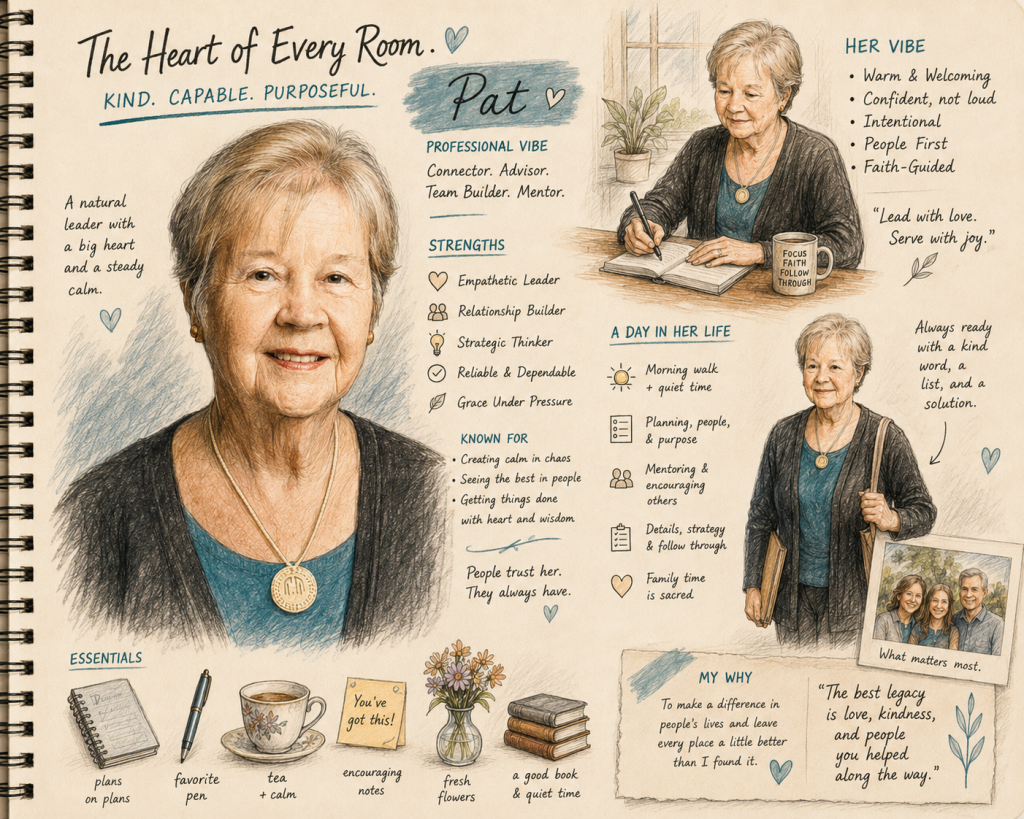
And below, you’ll see AI’s summary of me.